
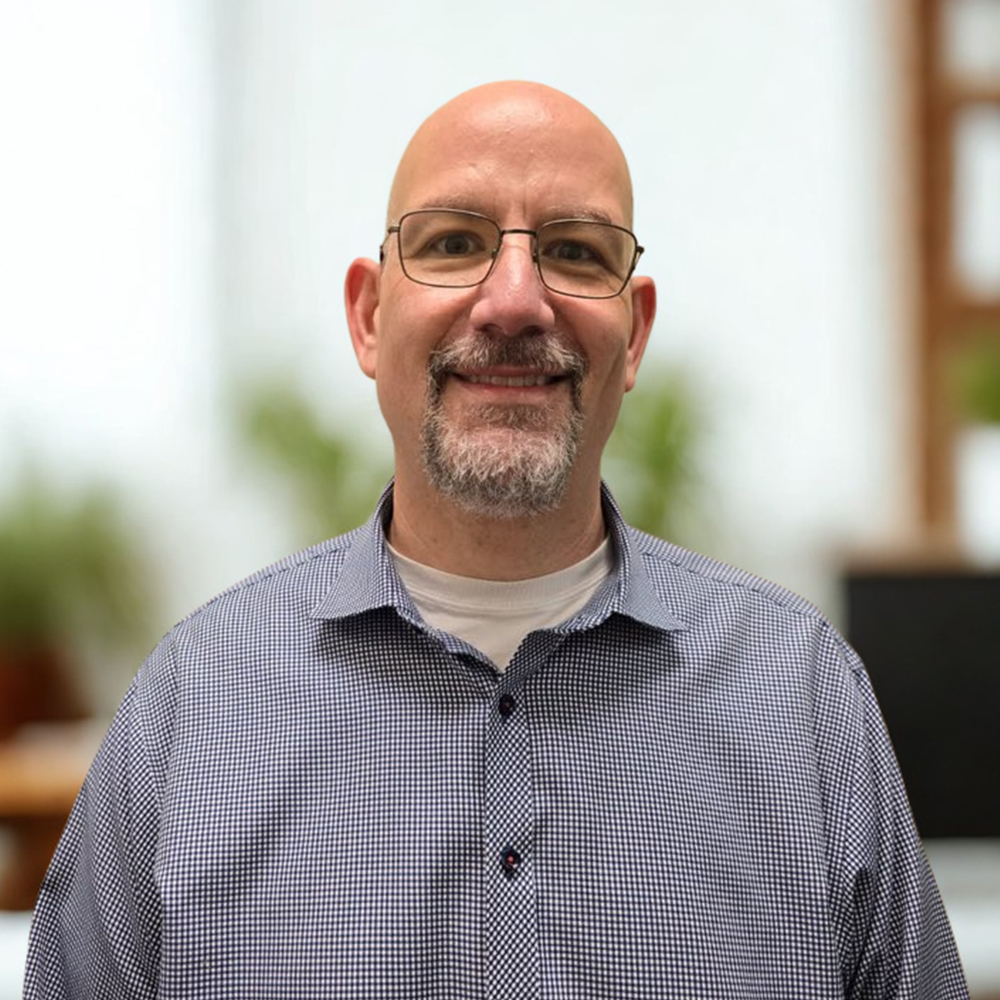
Ari Goldstein, PhD — Educational Psychologist
What inspired you to pursue a career in educational psychology, and how did that path lead you to open your own clinic?
I’ve always been fascinated by how the brain works and processes information, which led me to study psychology as an undergraduate.
During my graduate training, while teaching special education, I focused my studies on learning disabilities and ADHD. What became clear very quickly is that many students with various learning challenges were poorly served in public schools. They were labeled as unmotivated, inconsistent, or not reaching potential, when, in reality, there were very specific, identifiable neurological issues causing their learning or behavioral struggles.
As I began working in the field, I saw that much of the support available, whether in schools or traditional tutoring settings, wasn’t designed to address those underlying issues. It was often reactive rather than diagnostic and informative.
Starting Cognitive Solutions LC was a way to build a more precise, assessment-driven model — one that starts with understanding how a student’s brain works and then uses that information to guide various intervention and remediation strategies.
What motivated you to create your clinic’s specific approach or philosophy of care?
The short answer is that what I saw happening in school special education did not match the required types of diagnostics and interventions for most students with learning disabilities and ADHD. I knew I could improve the systems available at the time.
In special education, there was a heavy emphasis on accommodation and symptom management. While those are important, they’re only part of the picture. Without understanding the underlying cognitive abilities and processing capacities, things like processing speed, working memory, executive functioning, auditory/visual processing, and attention regulation — it’s very difficult to create meaningful intervention plans.
Cognitive Solution LC’s approach is built on that foundation. We start with a comprehensive evaluation to answer very specific questions about how the individual learns and processes information. From there, we can design and provide interventions that directly target those areas.
How do you approach building trust with students and families?
Individuals and families who come to us have already tried multiple interventions. By the time they have reached out to us, they’re often frustrated and understandably skeptical.
Trust starts with transparency and clarity. I take the time to explain what we’re seeing in a way that’s both accurate and understandable. When people can finally make sense of what’s been happening, that often serves as a turning point for them.
I’m also very direct about expectations. We focus on measurable progress and track it closely. At the same time, we look for early indicators that we’re moving in the right direction, because those initial wins help rebuild confidence for both the student and the family.
How do you adapt your approach when working with different age groups?
The underlying diagnostic and intervention framework stays consistent no matter the age, but the intervention strategies will be quite different for children than it is for adults.
With younger students, the work is more interactive and structured, with a strong emphasis on building foundational skills and involving parents in the process. It also is often more focused on the educational and learning side of the equation.
With adolescents, the focus often shifts toward understanding executive functioning, self-regulation, and independence. This is also where we often address the secondary effects of learning challenges like avoidance, anxiety, or loss of confidence.
With adults, work tends to have a more strategic flavor. Many of our patients are highly functioning individuals who have developed compensatory strategies over time but still experience inefficiencies or inconsistencies. In those cases, we’re refining systems and addressing specific bottlenecks causing challenges in their day-to-day functioning.
What’s one goal you have for the future of your clinic?
My primary goal is to expand access to high-quality, assessment-driven diagnostic and intervention services.
There’s a significant gap between what we know from cognitive science and what is typically implemented in mental health and educational settings. I’m interested in helping close that gap, whether through program development, training, or broader dissemination of this model.
Longer term, I’d like to contribute to raising the standard for how ADHD and learning disabilities are remediated, moving toward more precision, better data, and more individualized care.
Are there any personal passions or projects you’re currently excited about outside of your professional work?
I’m generally interested in decision-making and performance in complex systems, whether that’s in education, business, or investing.
There are a lot of parallels between how people learn and how they make decisions under uncertainty. I find that space interesting because it combines psychology, pattern recognition, and long-term thinking.
I also enjoy travel, particularly experiences that involve some level of exploration or problem-solving. It’s a different context, but it taps into a lot of the same underlying interests.
What’s something your colleagues or clients might be surprised to learn about you?
I tend to be analytical and systems-oriented in most areas of life, not just in my clinical work.
At the same time, I’m actually pretty introverted. I enjoy the one-on-one nature of the work, but I’m not someone who naturally gravitates toward the spotlight — which may be part of why I’ve focused more on depth of work than visibility over the years.
Related Posts
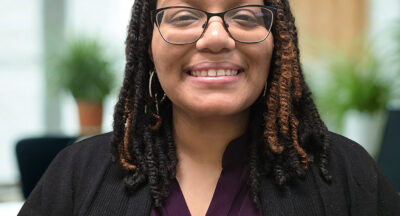
Amber Southall, BBA — Administrative Manager
What inspired you to pursue a career in administration, and how did you get to...

The Challenges of Building a Private Practice
By Ari Goldstein, Ph.D. In the course of my twenty years in the education and...

Exploring the Differences Between Neuropsychological Testing vs. Quantitative Electroencephalogram (qEEG) Testing
Joy Malanyaon began experiencing severe headaches beginning December 2016....

What Is The Difference Between A Learning Specialist And A Tutor?
Does this sound familiar? You sit down to help your child with homework or study...