What to Expect at Your First Neurofeedback Session in Chicago
If you’re ready to begin neurofeedback but aren’t sure where to start, you’ve come to the right place. At Cognitive Solutions LC, we aim to provide a transparent, client-first experience. That means providing information throughout the process, checking in with you, and making sure you have opportunities to ask questions. Before your first training session, you’ll meet with a clinician for a thorough consultation, complete a brain map (qEEG), review your qEEG results, and develop an individualized treatment plan. Once those steps are complete, you’ll be ready to begin neurofeedback training.
Step 1: Your Initial Consultation
Your first step is the consultation. You’ll meet with our neurofeedback clinician. During this session, they’ll get to know you, your goals, concerns, and background. It’s important to share your medical and family history, insight into your experience with school, current outside factors that could be impacting your progress, and any other treatments you are in. This is also a good time to ask questions, raise concerns, and share your thoughts. When beginning any mental health treatment, it is helpful to set realistic, measurable goals so you can recognize changes over time. Your clinician can also help you identify the areas of your life where you’d like to see change. For example, you may want to be more productive at work. Your clinician may ask how long you are currently able to focus and what amount of focused work would feel like a realistic goal. How would you know you are more productive? What would be different about your workday?
Step 2: Your qEEG Brain Map
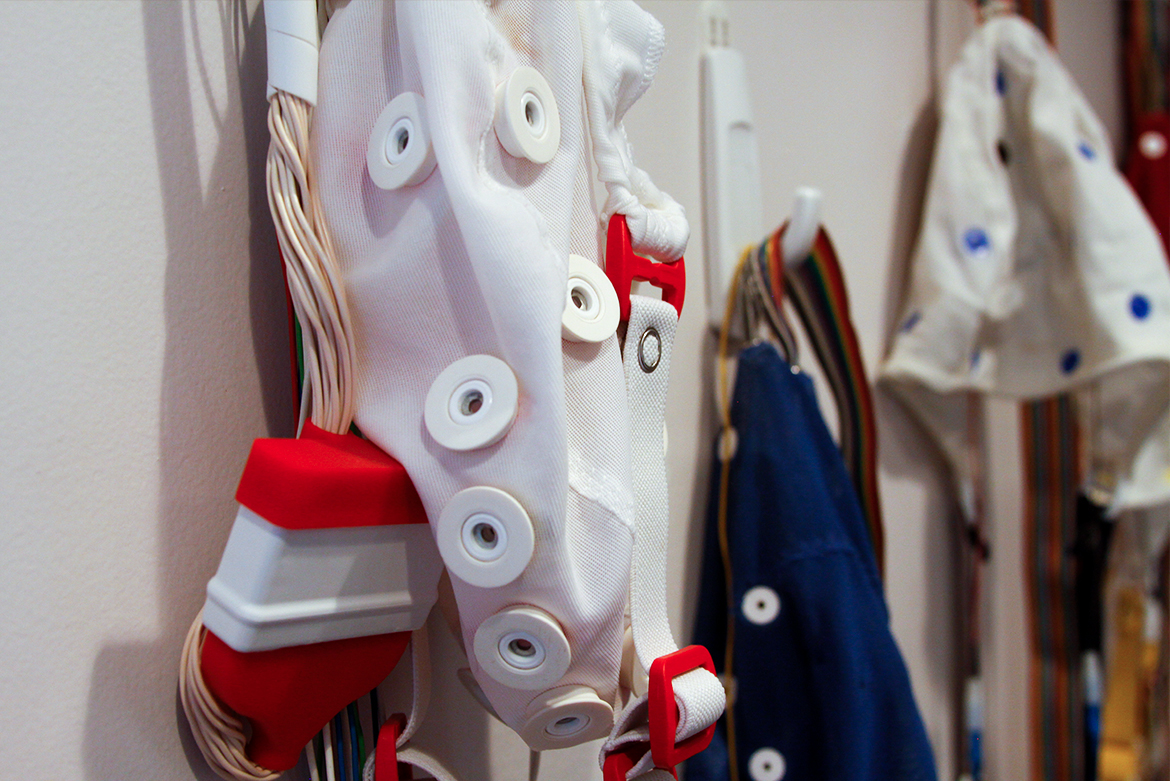
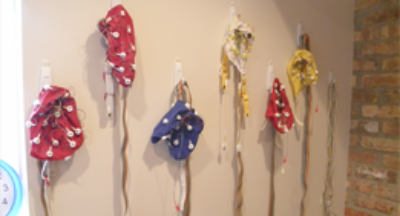
Next is your qEEG brain map. QEEG stands for quantitative electroencephalogram- basically an EKG but for your brain! The quantitative part means we collect data that can help individualize your treatment plan and establish a baseline for tracking progress later. During your mapping, we’ll walk you through each step. The mapping is completely painless and non-invasive, and is not a treatment session. This means no treatment protocol is administered, and the brain is just being monitored and recorded for brainwave frequency readings. Think of it like having your blood pressure measured at the doctor’s office. During the session we will place a cap full of electrodes on your head. We then apply conductive gel to the cap using a blunt syringe. Nothing penetrates the scalp. Next, we will adjust the electrodes to ensure we have a good reading to properly capture an accurate signal. Once the signal is clear, you’ll be asked to close your eyes and relax for about 10 minutes. The clinician may monitor your brainwaves from a nearby room, although they may remain in the room with clients who have difficulty sitting still. Then you’ll be asked to open your eyes, relax, and sit for another 10 minutes or so. The clinician will return to discuss the next steps, remove the cap, and help clean off the gel.
How should you prepare for your qEEG appointment?
To help make your brain map as accurate and comfortable as possible, keep the following in mind before your appointment:
- Get a good night’s sleep. When you’re tired, your brain activity may differ from your usual baseline. Good sleep can help us collect information that better reflects your everyday needs.
- Avoid caffeine and stimulants. If possible, skip your morning coffee on the day of your appointment. Caffeine can alter brain activity and may affect the recording. If you need caffeine to avoid withdrawal symptoms or a severe headache, limit it to one 8-ounce cup as early as possible before the appointment.
- Wash, dry, and comb your hair. Oil, water, and sweat can interfere with the signal. After washing your hair, avoid heavy hair products such as gels, hairspray, and oils for the same reason. Combed hair also makes it easier to place and adjust the electrodes close to the scalp.
- Wear comfortable clothing. Since you’ll be sitting for a while, wear something comfortable. We prioritize cleanliness and sanitization and provide hot towels after your brain map to help remove some of the gel before your next shower. We do use a fair amount of conductive gel to obtain a good signal, so there is a small chance some may get on your clothing. The gel washes out easily, so staining is not typically a concern.
- Glasses or contacts. If you wear contacts, you may prefer to bring your prescription glasses instead. You’ll be asked to look toward a general location for more than five minutes while blinking naturally, and some clients have reported dry eyes. This is not required, but glasses may make the recording process more comfortable.
- Arrive a few minutes early. Arriving slightly early gives you time to complete any necessary paperwork and get settled. Our waiting room has water and reading material available while you wait.
- What to bring. Bring relevant medical history, a list of current medications, and any previous evaluations, if applicable, so we can add them to your chart. Your clinician will consider this information when personalizing your treatment plan.
Step 3: Your qEEG Results Session
Once your qEEG is complete, you’ll return for a results session. During this session, you’ll meet with the clinician again to review your results in clear, accessible language. They’ll explain the treatment options we offer, the differences between them, and which options may be appropriate based on your results. We have 2 types of general treatment models; LENS and BrainAvatar. BrainAvatar is the traditional neurofeedback method. Brainwaves are monitored while the client watches a movie, completes a task, or listens to audio. When the brain produces the desired activity, it receives a reward stimulus, such as vibrant colors during a movie shown in grayscale or a pleasing sound during audio listening. The treatment format, such as movie or music, depends on which areas of the brain need training. LENS, which stands for Low Energy Neurofeedback, is used to train the brain by monitoring brainwaves and sending a frequency that provides an example of a wave within a normal range. Over time, the brain is expected to learn to match and replicate the healthy frequency, supporting regulation. The best treatment option depends on your goals, concerns, and the data recorded during your brain mapping.
What Later Training Sessions Feel Like
So, what are the training sessions actually like? Electrodes are small metal discs with attached wires that record brainwave activity. After the skin is prepared with cleansing gel, the electrodes are placed on the scalp using a conductive paste. There are 2 grounding ear clips that go on the earlobes of the client. Typically, two electrodes are placed at the same time on different areas of the scalp.
LENS Sessions:
During a LENS session, you’ll sit in one of our comfortable treatment chairs. A trained technician will prepare your skin with gel, first on your ears and then where the electrodes will be placed. Once the electrodes are in place, the technician will ask you to close your eyes and relax. The technician will monitor your brainwave activity to make sure the software has a clear reading, then send the treatment frequency. You will not feel the treatment signal. The treatment is painless and non-invasive. After all treatment points have been completed, the technician will remove the electrodes and ear clips and wipe away the gel. Once you’re cleaned up, your session is complete. LENS sessions are relatively quick, with clients typically finishing in under 15 minutes. The signals themselves last only seconds at each electrode site. A typical LENS course consists of seven rounds of treatment. Each round includes four sessions, with each session focusing on different areas of the brain. There are 21 training points in total, with four to six points addressed per session. LENS sessions are typically recommended twice per week.
BrainAvatar
For BrainAvatar sessions, you’ll sit in a comfortable chair while the technician prepares the equipment and places the ear clips and two electrodes. The technician will then start the movie or audio and ask you to relax and remain as still as possible. Typically, sessions last 25-30 minutes. During training, the technician will monitor your brainwaves from a nearby room. This treatment is also painless and non-invasive. The goal is for the brain to learn through the feedback it receives. No treatment signal is sent through the electrodes during BrainAvatar. Instead, the visual or auditory reward provides feedback that supports the training process. You can think of it like doing well on a test and receiving a good grade. When the brain produces the desired activity, it receives a reward, reinforcing that pattern. Once the session is complete, the technician will remove the electrodes and ear clips and cleanse the area. There are typically 30–40 BrainAvatar sessions per round of treatment. BrainAvatar sessions are also typically recommended twice per week.
Does It Hurt? Is It Safe?
You may be wondering whether neurofeedback is safe. That is a reasonable question. Research shows neurofeedback is a safe and effective treatment for a wide range of populations, from children to older adults. The treatments are non-invasive and pain-free. Side effects are infrequent, but the most commonly reported effects are a mild headache or fatigue within 24 hours of treatment. You can compare this experience to working a muscle that is not accustomed to being exercised. If you have concerns, contact our team for more information. If mild side effects occur, we can work with you on a plan to address them.
Meet the Team Who’ll Be With You
At Cognitive Solutions LC, our qualified professionals work together to support you throughout your neurofeedback experience.
Clinical Neurofeedback Manager:
Chelsea Maldonado, M.A., LPC, BCN, RYT
Neurofeedback Technicians:
Frequently Asked Questions
How long is a neurofeedback session?
Sessions can last anywhere from 15–45 minutes, but they are typically around 30 minutes.
What should I wear during my neurofeedback session?
We recommend comfortable clothing, but wear whatever makes you feel your best. We want treatment to fit conveniently into your day, whether you’re coming from work or heading somewhere afterward.
Can my child do neurofeedback?
We provide neurofeedback treatment for children, but our clinic does not see children under age 6. We’d be happy to schedule a consultation to discuss whether neurofeedback may be appropriate for your child.
How many neurofeedback sessions will I need?
The number of sessions needed varies from person to person. Some clients report progress soon after beginning treatment, while others take longer. We typically begin with 28 LENS sessions or 30 BrainAvatar sessions and adjust from there. Clients tend to report progress after about 8–12 sessions, on average.
Is neurofeedback therapy covered by insurance?
Coverage varies by plan and diagnosis. Some insurers provide full or partial reimbursement, while others exclude neurofeedback services. Our administrative team performs a complimentary benefits check before care begins to help determine your coverage and potential out-of-pocket costs. Contact us for more information on possible coverage.
Related Posts
Testimonial – J.H.
I found Dr. Effarah after visits with several ophthalmologists and neurologists...

Why an Executive Functions Coaching Important for Students Going Back to School
As kids return to school, they face an array of academic and social challenges...

Why Do More Children Seem to Have ADHD Today?
Why Do More Children Seem to Have ADHD? By Ari Goldstein, Ph.D. According...
TREATMENT AND THERAPY PROGRAMS FOR LEARNING DISABILITIES, ADD/ADHD, EXECUTIVE FUNCTIONING, ANXIETY, AND DEPRESSION
Our programs are designed to help you reach your full potential! At CSLC we take...