

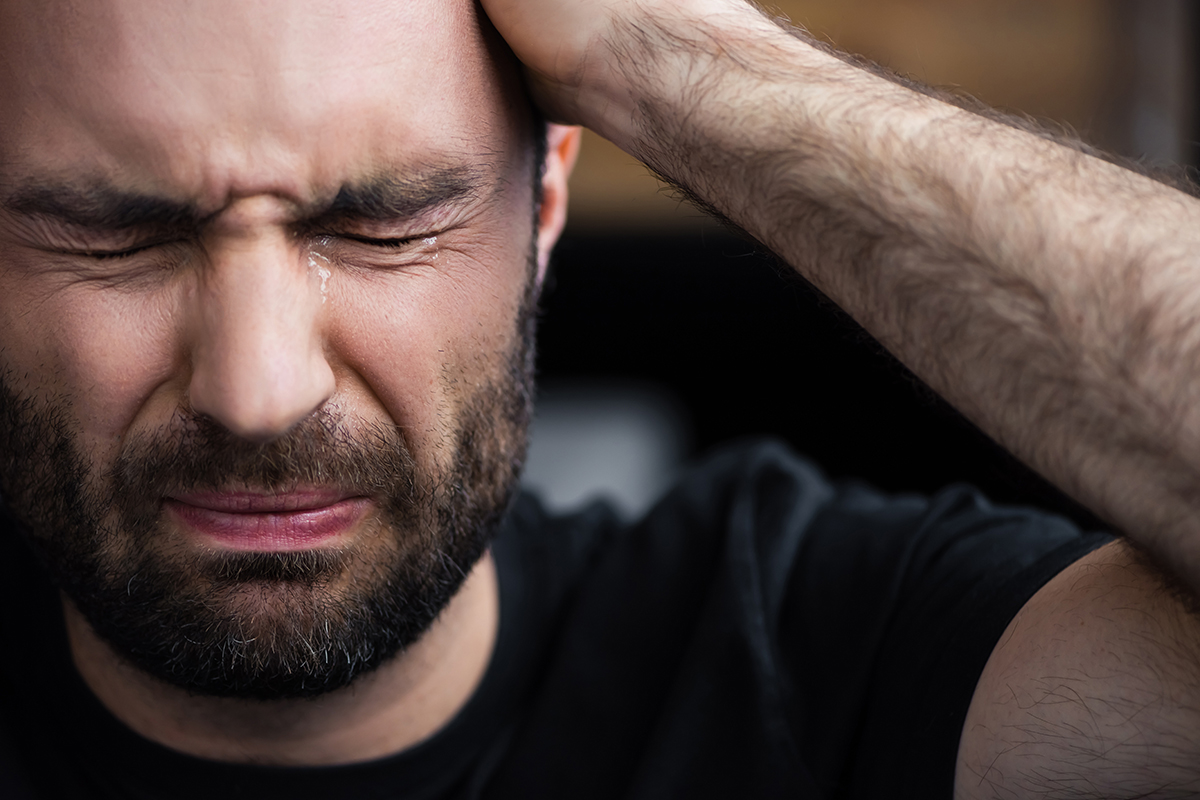
Men Cry Too: Breaking the Stigma Around Male Emotions
Discover why men cry and how to break emotional stigma. Learn about Men’s Mental Health Awareness Month and the science behind male emotional expression.
Introduction – The Silent Crisis of Male Emotional Suppression
In a world where stoicism is celebrated, the phrase “men don’t cry” has echoed through generations, shaping how boys grow into men. Yet the cost of emotional suppression is steep. According to the World Health Organization, men die by suicide at a rate nearly twice that of women globally. Despite increasing awareness of mental health, men are still less likely to seek help due to ingrained societal norms that discourage emotional expression.
Toxic masculinity, a cultural pressure that equates vulnerability with weakness, continues to limit men’s emotional health. Emotional expression isn’t a gendered trait; it’s a human one. But many men have been conditioned to believe that shedding tears or asking for help is somehow unmanly. This harmful mindset fuels a silent crisis of depression, anxiety, and loneliness.
This article explores why men crying is still stigmatized, dives into the biology and psychology behind male emotions, and offers strategies to foster emotional freedom. By dismantling the myths around male vulnerability, we can build a healthier, more emotionally intelligent society.
Men’s Mental Health Awareness Month: Origins and Importance
The History Behind Men’s Health Month
National Men’s Health Week was established in 1994 when President Bill Clinton signed it into law. Originally focused on encouraging men to prioritize preventive health screenings and healthier lifestyles, the week-long event evolved into National Men’s Health Month. Today, it spans the month of June and has taken on a broader mission: highlighting not only physical health, but also the pressing issue of men’s mental health.
June is now globally recognized as a time to shed light on the often-overlooked emotional and psychological challenges that men face. This expansion has helped start critical conversations about emotional stigma, gender roles, and the need for improved access to mental health support.
Why June Matters for Male Mental Health
Mental health statistics paint a sobering picture. In the UK, suicide is the leading cause of death for men under 50. In the United States, men account for nearly 80% of all suicide deaths. Despite these statistics, men are significantly less likely to seek professional help for emotional distress.
Men’s Mental Health Awareness Month serves as a call to action: to raise awareness, break down stigma, and normalize male emotional expression. Through education and advocacy, we can encourage more men to speak up, cry, and seek support without shame.
The Science Behind Male Emotional Expression
Biological Differences in Crying and Emotional Processing
Men and women experience emotions equally, but the way they express those emotions can differ due to biological and hormonal factors. Testosterone, a hormone more prevalent in males, has been shown to inhibit crying. Meanwhile, prolactin—present in higher concentrations in women—is associated with tear production.
Neurologically, studies reveal that men may engage different parts of the brain when processing emotions. For example, men tend to activate the prefrontal cortex more than the limbic system, which could explain why they are often more analytical than expressive when dealing with emotions.
Psychological Research on Male Crying Patterns
Cultural expectations strongly shape how men express emotions. From a young age, boys are told not to cry, leading to internalized beliefs that emotional suppression is a marker of strength. Research shows that women cry between 30 and 64 times a year, while men average between 6 and 17 times. But these differences are not purely biological—they are heavily influenced by social conditioning.
A cross-national study found that men in cultures with more gender equality cried more frequently than those in more traditional societies. Emotional suppression has been linked to increased rates of anxiety, depression, and aggression in men, reinforcing the need to deconstruct these damaging gender norms.
The Health Benefits of Crying for Everyone
Crying isn’t just a reaction to sadness; it’s a biological release mechanism. Tears triggered by emotions contain stress hormones like cortisol. Research shows that crying releases oxytocin and endorphins—natural painkillers that help ease both physical and emotional discomfort.
Emotional expression, including crying, plays a role in emotional regulation, stress relief, and even physical health. Suppressing emotions can elevate blood pressure, disrupt sleep, and weaken the immune system. Simply put: crying is healthy.
Understanding the Stigma: Where It Comes From
Historical and Cultural Roots of Male Emotional Suppression
Traditional gender roles have long dictated that men be providers, protectors, and problem-solvers—not feelers. These roles, entrenched in many cultures, promote the idea that vulnerability is incompatible with masculinity.
Across time and place, this narrative has persisted. In some societies, crying is seen as a sign of dishonor or weakness. However, cultures that embrace emotional expression across genders see improved mental health outcomes and stronger interpersonal relationships.
The “Boys Don’t Cry” Mentality
The “boys don’t cry” mantra is often introduced early in life. Young boys are frequently told to “man up” or “be strong,” while girls are more often comforted when they express sadness. Media further reinforces this message, portraying male heroes as stoic and emotionless.
Over time, emotional repression becomes the norm. But the cost is high. Men who internalize these messages often struggle to form deep relationships, communicate effectively, and manage emotional crises. These patterns ripple across families, workplaces, and entire communities.
The Real Impact of Emotional Suppression on Men
Mental Health Consequences
Emotional suppression doesn’t make feelings disappear—it simply drives them inward. This internalization often leads to depression, anxiety, and feelings of isolation. Studies show that men are more likely to externalize distress through anger or substance use rather than seek therapy or support.
Suicide remains a leading cause of death among men, often connected to untreated mental health conditions. Many men report feeling they have no one to talk to, reinforcing the urgency of changing how we view male emotional expression.
Physical Health Effects
Bottling up emotions doesn’t just affect mental well-being—it impacts physical health too. Chronic stress from unexpressed emotions can increase the risk of heart disease, disrupt sleep, impair immune function, and contribute to digestive issues.
The mind-body connection is powerful. Encouraging men to process and express emotions can significantly improve their overall health and well-being.
Breaking Down Barriers: How to Normalize Male Emotional Expression
Creating Safe Spaces for Men to Express Emotions
To dismantle emotional stigma, we must first create environments where men feel safe to be vulnerable. This can start with friendships that go beyond surface-level interactions. Men benefit from spaces where emotional honesty is not only accepted but encouraged.
Therapeutic settings tailored to men’s needs—like male-specific group therapy or counseling that acknowledges masculine norms—can help normalize emotional expression. At home, families can model healthy emotional conversations by encouraging sons and partners to talk about feelings.
Positive Male Role Models in Emotional Expression
Representation matters. Public figures like Dwayne “The Rock” Johnson, Terry Crews, and Prince Harry have all spoken openly about their mental health struggles, challenging traditional masculine stereotypes.
Athletes, actors, and leaders who model emotional vulnerability help redefine strength. Seeing successful men embrace emotional expression reshapes cultural expectations and gives others permission to do the same.
Practical Steps for Men to Embrace Emotional Health
It starts with awareness. Men can begin by identifying and naming their emotions—a skill many were never taught. Journaling, meditation, or talking with trusted friends can help develop emotional literacy.
Healthy coping strategies, like exercise, creative expression, or therapy, provide outlets for processing emotions. And seeking professional help should be viewed as an act of courage, not weakness.
Supporting the Men in Your Life
For Partners, Friends, and Family Members
Supporting men through emotional challenges requires intention and compassion. Create space for meaningful conversations without judgment. Encourage the men in your life to express how they feel, and validate those emotions without trying to “fix” them.
Look out for signs of distress: withdrawal, irritability, changes in sleep or appetite. If you notice these signs, reach out. Avoid dismissive phrases like “man up” or “you’re overreacting.” Instead, offer understanding, patience, and presence.
Moving Forward: A Future of Emotional Freedom for All
Breaking the stigma around male emotions benefits everyone. When men are free to express themselves without fear of judgment, relationships deepen, communities strengthen, and overall well-being improves.
During Men’s Mental Health Awareness Month and beyond, let’s normalize emotional expression for all genders. Let’s challenge the outdated norms that keep men silent and redefine what it means to be strong.
Whether you’re a man working on emotional growth or someone who supports one, remember: tears are not a sign of weakness. They’re a sign of being human.
“This Men’s Mental Health Awareness Month, let’s commit to breaking the silence. Share this article, start conversations, and remember: seeking help is a sign of strength, not weakness.”
References:
American Psychological Association. (2018). APA guidelines for psychological practice with boys and men. https://www.apa.org/about/policy/boys-men-practice-guidelines.pdf
Centers for Disease Control and Prevention. (2023). Suicide data and statistics. https://www.cdc.gov/suicide/facts/data.html
CNN Entertainment. (2018, April 2). Dwayne Johnson opens up about depression and mental health. https://www.cnn.com/2018/04/02/entertainment/dwayne-johnson-depression/index.html
Fischer, A. H. (2000). Sex differences in crying: Empirical findings and possible explanations. In A. H. Fischer (Ed.), Gender and emotion: Social psychological perspectives (pp. 143–165). Cambridge University Press. https://www.cambridge.org/core/books/abs/gender-and-emotion/sex-differences-in-crying-empirical-findings-and-possible-explanations/09E8C6861B34E3693B5DC0DF92A634DB
Government of the United Kingdom. (2023, November 18). Men urged to talk about mental health to prevent suicide. https://www.gov.uk/government/news/men-urged-to-talk-about-mental-health-to-prevent-suicide
Harvard Health Publishing. (2021, March 1). Is crying good for you? https://www.health.harvard.edu/blog/is-crying-good-for-you-2021030122020
Presidency Project. (1994). Proclamation 6700—National Men’s Health Week, 1994. The American Presidency Project. https://www.presidency.ucsb.edu/documents/proclamation-6700-national-mens-health-week-1994
Stevens, J. S., & Hamann, S. (2012). Sex differences in brain activation to emotional stimuli: A meta-analysis of neuroimaging studies. Neuropsychologia, 50(7), 1578–1593. https://www.sciencedirect.com/science/article/abs/pii/S002839321200125X
Samaritans & UK Department of Health. (Referenced via GOV.UK). Suicide is the biggest cause of death in men under the age of 50. https://www.gov.uk/government/news/men-urged-to-talk-about-mental-health-to-prevent-suicide
Related Posts

Meet Christian Hill, BA – Administrative Specialist at Cognitive Solutions LC
Whether he’s guiding a nervous parent through the intake process or making sure...

Can Neurofeedback Help with Insomnia?
Millions of people worldwide grapple with the torment of insomnia, a sleep...


Meet Jim Gottschalk, MA – Executive Functioning Specialist at Cognitive Solutions LC
With a background in both psychology and education, Jim brings a collaborative...