


25 Years of Cognitive Solutions: A Reflection on the Journey
When I started Cognitive Solutions in 2001, I wasn’t thinking about building a business that would last 25 years. I was thinking about students who needed more help than they were getting in school.
My background was in special education, and I saw a gap between what students needed and what schools were often able to provide. Difficulties with learning, attention, or organization were treated as problems to manage rather than abilities that could be better understood and strengthened. I wanted to do more to identify the underlying learning differences, better understand how a person’s brain processes information, and develop interventions that directly address those needs.
I believed that the assessment process should lead to meaningful action. It wasn’t enough to identify a problem. We needed to understand why someone was struggling and use that information to help them move forward.
That idea became the foundation of Cognitive Solutions.
In the beginning, I went into people’s homes to provide tutoring. In November 2001, I opened my first office: a small, one-room space in Lincolnwood, Illinois. I spent a great deal of time meeting with physicians, therapists, and schools, building relationships, and trying to establish a reputation. We started small, and growth came through hard work, professional relationships, and a commitment to helping the people who came to us.
Over time, the practice evolved. A major part of that evolution was bringing in new modalities to directly target what was happening in the brain. In 2003, I introduced neurofeedback, expanding the ways we could help clients address difficulties with attention, focus, and self-regulation.
When I completed my Ph.D. in 2005, I expanded our services to include educational testing, allowing us to better understand and explain why a student was struggling. We subsequently developed more comprehensive psychoeducational testing, and by 2007, we had expanded our assessment capabilities to include clinical neuropsychological evaluations.
We moved locations four times, expanded our services, brought in new professionals, and grew beyond the learning specialist practice I had originally envisioned. Today, Cognitive Solutions brings together a range of services—including executive functioning support and educational therapy, alongside our neuropsychological testing and neurofeedback—to help people better understand their learning, attention, and mental health needs.
That growth has been rewarding, but it hasn’t always been easy.
One of the biggest challenges has been growing the business while keeping clients’ needs at the center of every decision. Working directly with a student or family is very different from building an organization that can consistently provide high-quality care as it grows. I had entered this field to help people, and I had to learn the business side along the way—from managing staff and maintaining continuity, to building the systems needed to keep everything running smoothly.
That transition from practitioner to business owner was one of my biggest learning experiences. Professional expertise and good intentions are important, but they aren’t enough to build a sustainable practice. You also need systems, leadership, and a willingness to adapt.
The move to our Ashland Avenue location in 2022 was a turning point. By then, the practice had grown in size, staffing, and scope to a point where the systems that had served us before were no longer enough. Jessica Sanchez, M.A., LCPC, our clinic director, and I had to rethink how we ran the business and supported our clients. It was a reminder that building a larger practice meant learning to lead differently, not simply doing more of what had worked in the past.
Looking back, I am incredibly proud of what we have built. We have created a well-run business that has helped thousands of people live better lives. What matters most to me after 25 years is not simply that the practice has grown, but that the growth has allowed us to help more people.
Cognitive Solutions has become a legacy I am proud of. What began as a small learning specialist practice has grown into something much broader, built around the belief that understanding a person’s needs is an important first step toward helping them succeed in life.
As I look ahead, I am excited about the next chapter under Jessica’s direction. She will lead Cognitive Solutions into the future, building on what we have established while continuing to guide the practice as it evolves. I take real pride in knowing that the organization can continue beyond my own day-to-day leadership.
After 25 years, I’m proud of what Cognitive Solutions has become and grateful to the people who helped build it, as well as the thousands of individuals and families who have trusted us. I’m especially pleased that the practice will continue under Jessica’s direction. I started Cognitive Solutions to help people understand themselves better and overcome the challenges they faced. Knowing that this work will continue into the next chapter is one of the most rewarding parts of looking back on the past 25 years.
Related Posts
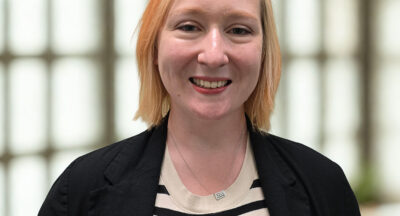
Shay McManus, Psy.D. — Licensed Clinical Psychologist
What inspired you to become a clinical psychologist, and what do you enjoy most...

Can Neurofeedback Help with Insomnia?
Millions of people worldwide grapple with the torment of insomnia, a sleep...

Meet Chauncey Cody, BA – Neurofeedback Specialist at Cognitive Solutions LC
How did you first learn about neurofeedback, and what drew you to it? I first...

Do synthetic food colors cause hyperactivity?
Critics blame the additives for triggering behavioral problems in youngsters...