







































 Cognitive Solutions is proud to announce our partnership with Dr. Alan Bain of the


 Goldstein, Ph.D.

The Parents Dilemma – Choosing the Right Therapy When Your Child Has ADHD
Ari Goldstein, Ph.D.
Educational Psychologist, Chicago Illinois
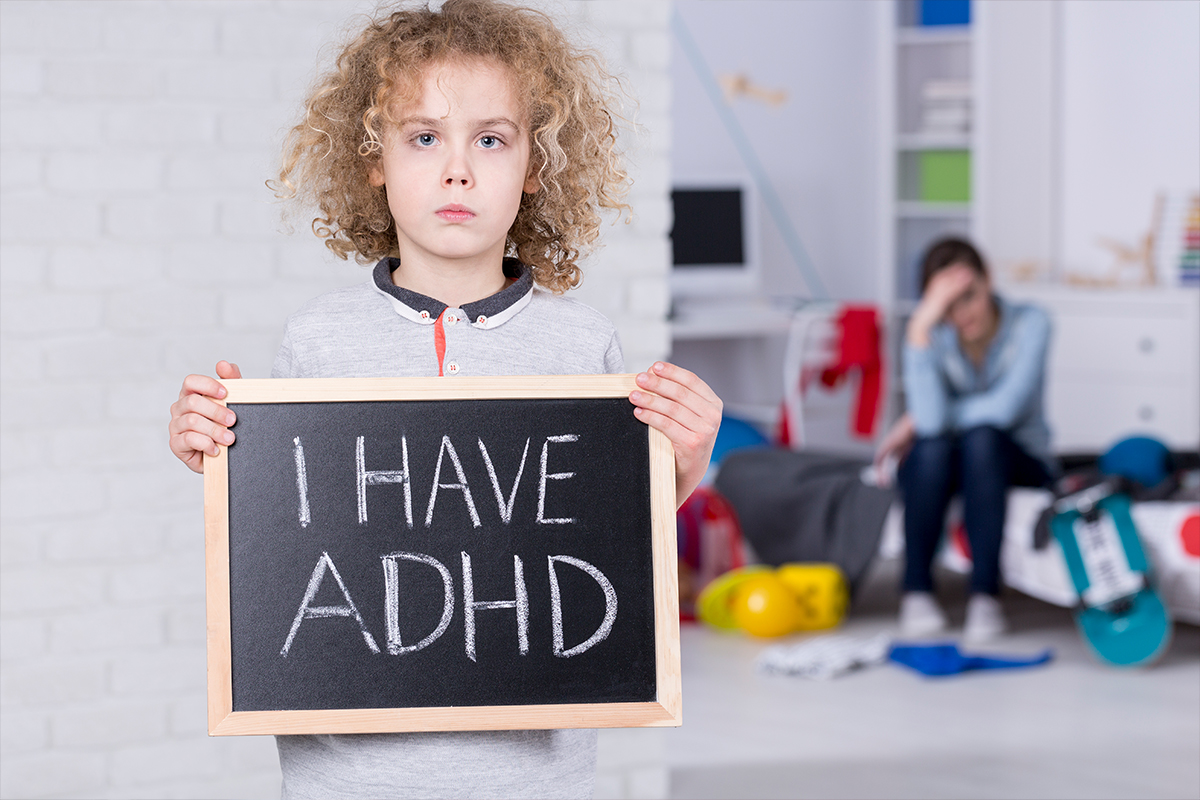
According to the American Psychiatric Association (APA) 5 percent of American children have Attention Deficit Hyperactivity Disorder (ADHD). The Centers for Disease Control and Prevention (CDC) puts it at 11 percent – over twice that number. Whatever the number, ADHD affects many children and those who love them. Although ADHD is usually regarded as a childhood condition, the symptoms affect people of all ages. Perhaps by the time some sufferers reach adulthood, they’ve built enough compensatory mechanisms to function “normally”. Unfortunately, for many others the challenges this condition presents affects them negatively all their lives.
ADHD diagnoses fall into three primary categories: inattentive, hyperactive/impulsive, and combined type
Children presenting with symptoms of ADHD inattentive type (Formerly known as ADD) can’t seem to follow directions, no matter how often they’re given and explained. They have trouble listening to the teacher or other students in class. Any activity that demands organization and planning, like cleaning a room or prioritizing schoolwork is just beyond them. Often, so is following conversations or lecture format classroom environments.
Children presenting with hyperactivity on the other hand, find it almost impossible to just sit still. (In Yiddish, the technical term is “shpilkes” or acting as if you’ve got “ants in your pants.”) They are always in motion and they seem to talk incessantly. (If your child is nicknamed, “Motor mouth” you probably know what we mean.) These children crave sensory input, often seeking it in the most inappropriate of settings.
A major presentation across categories of ADHD can be impulsivity. This may be demonstrated when a child calls out answers in class inappropriately and just seems to be completely unable to wait their turn for anything. Most children with ADHD symptoms also present with a range of executive functioning deficiencies.
When kids with ADHD grow up, these behaviors may be masked through the development of compensatory mechanisms or various forms of self-medication, including nicotine, caffeine, alcohol, and other drugs. These individuals may also have low esteem and feel chronic anxiety due to difficulty concentrating, relating to others, coping with depression, mood swings and anger management.
So, what can parents do to help their family?
Everyone in the family and immediate social circle feels the impact when a child has ADHD. The truth is, no matter how sympathetic and understanding parents and siblings may be, living with someone who is constantly active, vocal and impulsive, or highly forgetful is exhausting. Of course, it’s even harder for the child who is constantly trying not to upset his/her parents, relatives, and teachers.
Sometimes well-meaning relatives and friends offer suggestions that may do more harm than good, particularly because they may make parents feel guilty or inadequate. Here’s what you need to know. ADHD is not caused by listening to loud music, playing video games, eating fast foods, being vaccinated, having a bad teacher or being parented by a mother with a job outside the home. No, it is not because Johnny ran into a parked car and bumped his head when he was three years old. ADHD is not something that can be prevented or cured. However, people can learn to minimize the impact on their functioning if they can successfully build a personal “toolbelt” of skills to do so.
ADHD, in my opinion, is not a modern disability.
It is an inability of the brains and bodies we evolved over hundreds of thousands of years to adapt to our current societal structures and food chain. Over the millennia, a percentage of human beings developed brain capacity which allowed them to be acutely aware of everything in their environment. This saved the social group from a host of environmental dangers. Over time, these genes were prized and these people were revered for this skill. This type of brain also tends to be very creative, good at thinking “outside the box”, and tends to be less bound by rules and structures.
Over time, the need for these qualities lessened as society evolved from that of hunter gatherers to farmers and city dwellers. Although the human genome has changed less than 1% since we lived as hunter gatherers and nomadic tribes, our social structure, food chain and the qualities needed to maintain them have completely changed. Thus, abilities that were once advantageous for survival of our species are now seen as dysfunctions of the body and brain. What we now call ADHD falls into this category.
To medicate or not to medicate.
For several decades, medication has been used as the primary way to control ADHD symptoms. The majority of these medications are stimulants under brand names like Focalin, Adderall, Dexedrine, Vyvanse, Concerta, Merthylin and, probably the best known, Ritalin. Working on the chemistry of the brain, these drugs increase slow brain activity that causes inattention and slow down brainwaves that cause hyperactivity and loss of impulse control. If these medications are ineffective and the patient is at least six years old, non-stimulates such as Strattera, Clonidine and Intuniv may be prescribed instead.
Talk therapy is used, too.
Psychotherapy or counseling is a long-term therapy that may be used alone or with medication. Using various behavior modification techniques, therapists help children deal with their emotions, focus on the moment and curb impulsive actions. While this type of therapy can be effective, it should be consistently reinforced by parents, teachers and other caregivers who may not always be able or willing to do so.
Both of these treatments have several disadvantages.
Drugs like Ritalin are “effective” with only 75 percent to 80 percent of children which means 20 percent are unable to rely on them. In addition, patients may suffer side effects that can sometimes be severe and include eating and sleeping difficulties, migraine headaches, high blood pressure, nausea and skin rashes. If patients attend school, arrangements must be made to administer medication several times a day. Usually this falls to the school nurse or other staff member, and drugs must be stored at the school so they’re available as needed. In addition, children on stimulants like Ritalin may be so “calmed down,” they seem like zombies and drained of their normal personality.
But even when medication works, it is at best a short term” band aid” solution. Pharmaceuticals do nothing to build the executive skill set necessary to function effectively in schools. All they do is allow a child to focus and better regulate their behavior and emotions in the short term. Without the development of executive function skills, the ability to improve their performance in school or society is slim to nil.
While talk therapy is a very useful intervention for many kids with ADHD, it can be difficult to find a therapist with which the child has a good rapport. Sometimes the child’s ability to engage in these sessions is hindered by their dysregulation. In addition, therapies can be expensive and are not always covered by insurance companies.
Neurofeedback provides another and often more effective option.
Although pharmaceuticals can help reduce hyperactivity and impulsive behavior work by changing the brain’s chemistry, these results only last as long as the medication is in the bloodstream. Once the patient stops taking it, the chemical imbalance returns and so does the negative behavior. Neurofeedback is based on a different premise. Its goal is to retrain the areas of the brain producing waves that are either too fast or too slow for optimum brain function. Neurofeedback enables the patient’s brain to develop new pathways producing brain waves that fall within the spectrum of typical brain function. Once learned, these patterns tend to become the brain’s new normal and are followed long after the prescribed neurofeedback therapy is completed, so negative behaviors are eliminated or reduced for a lifetime.
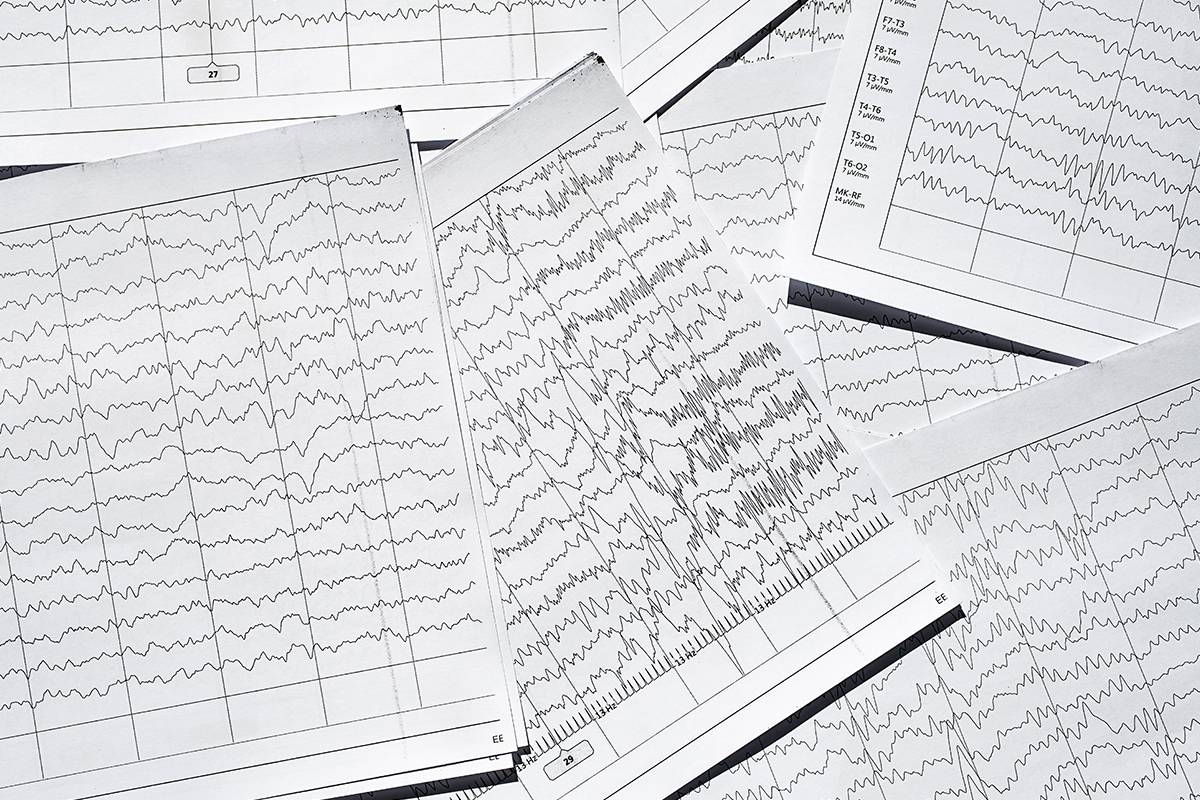
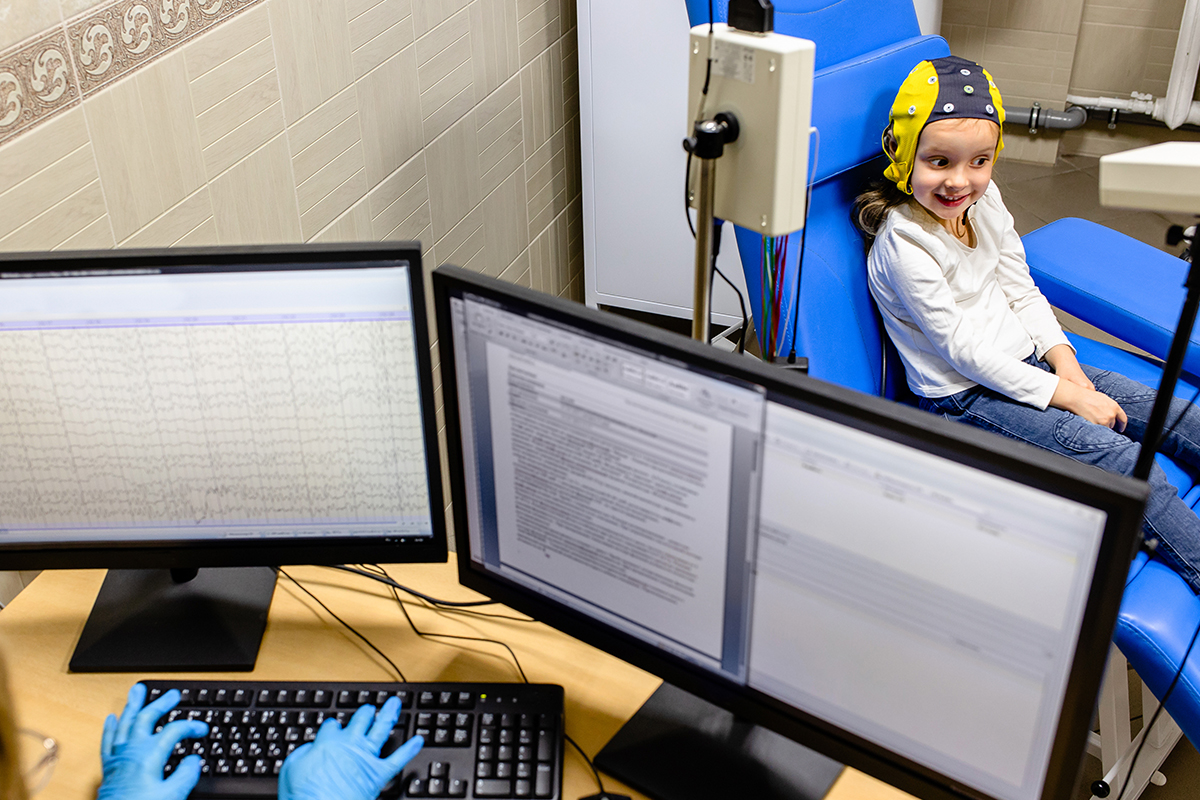
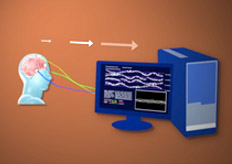
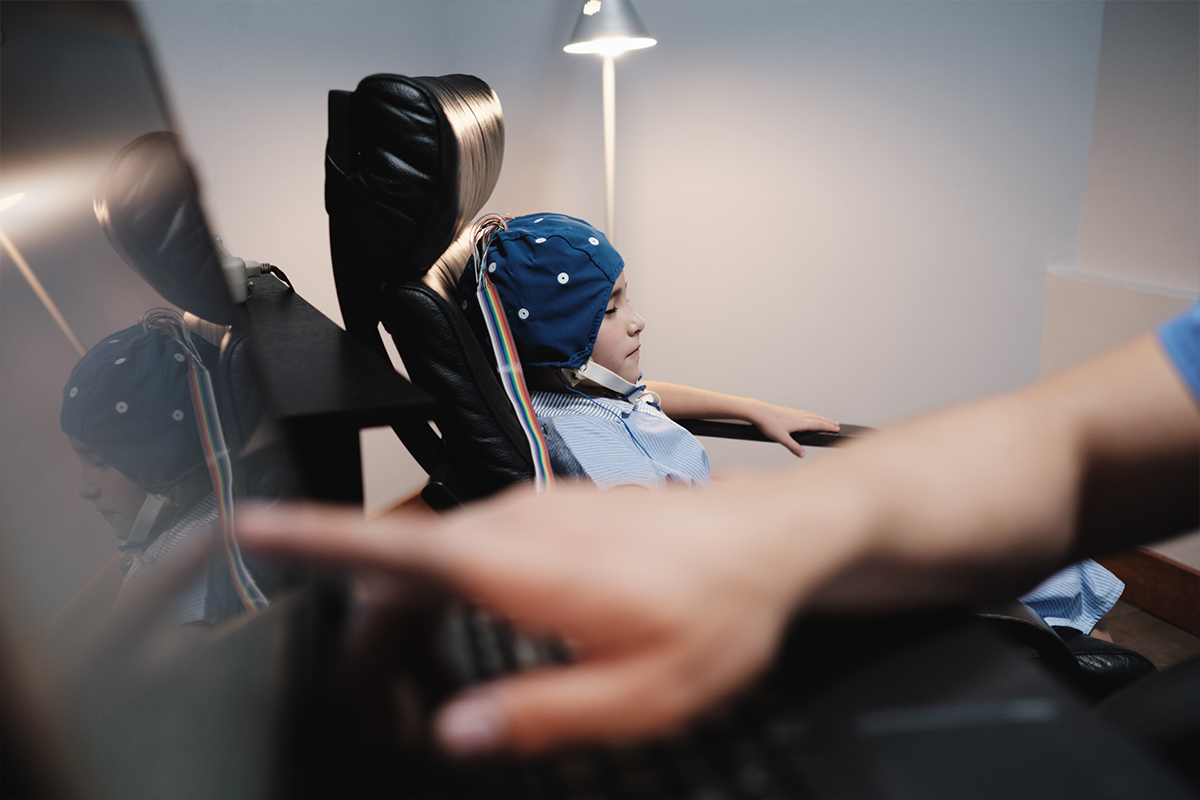
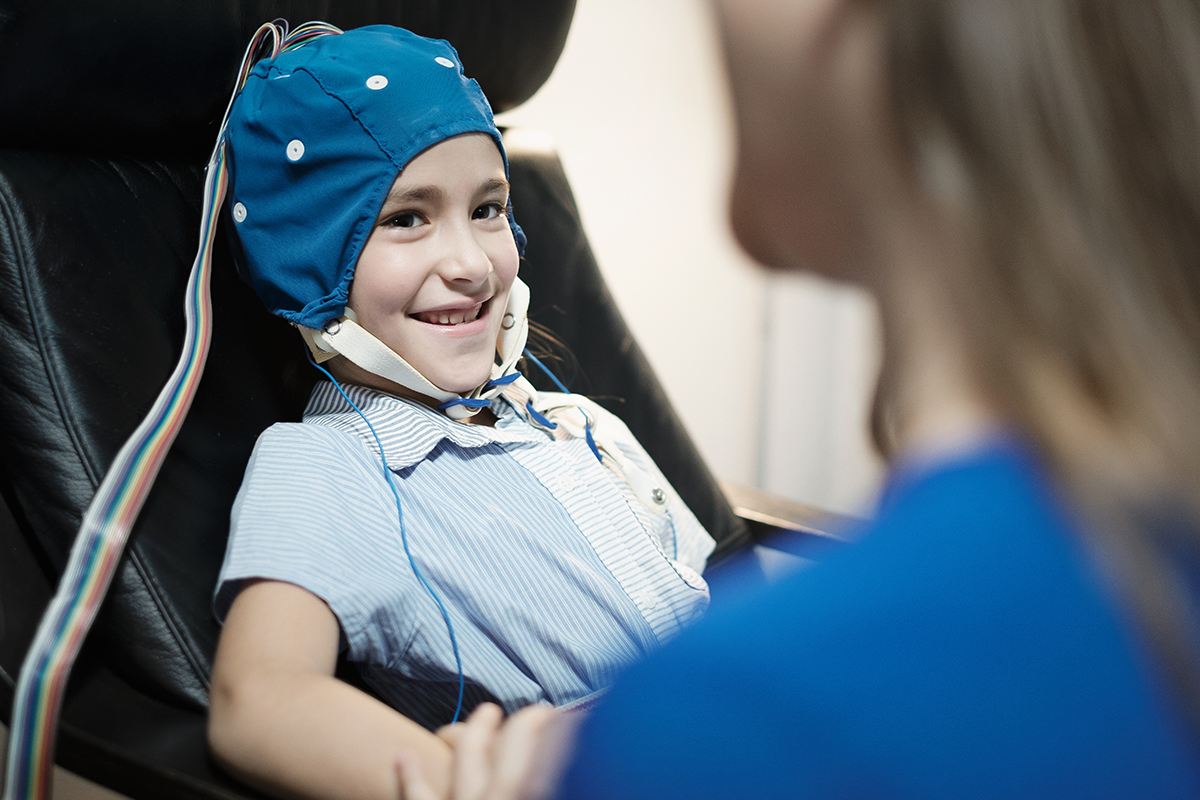
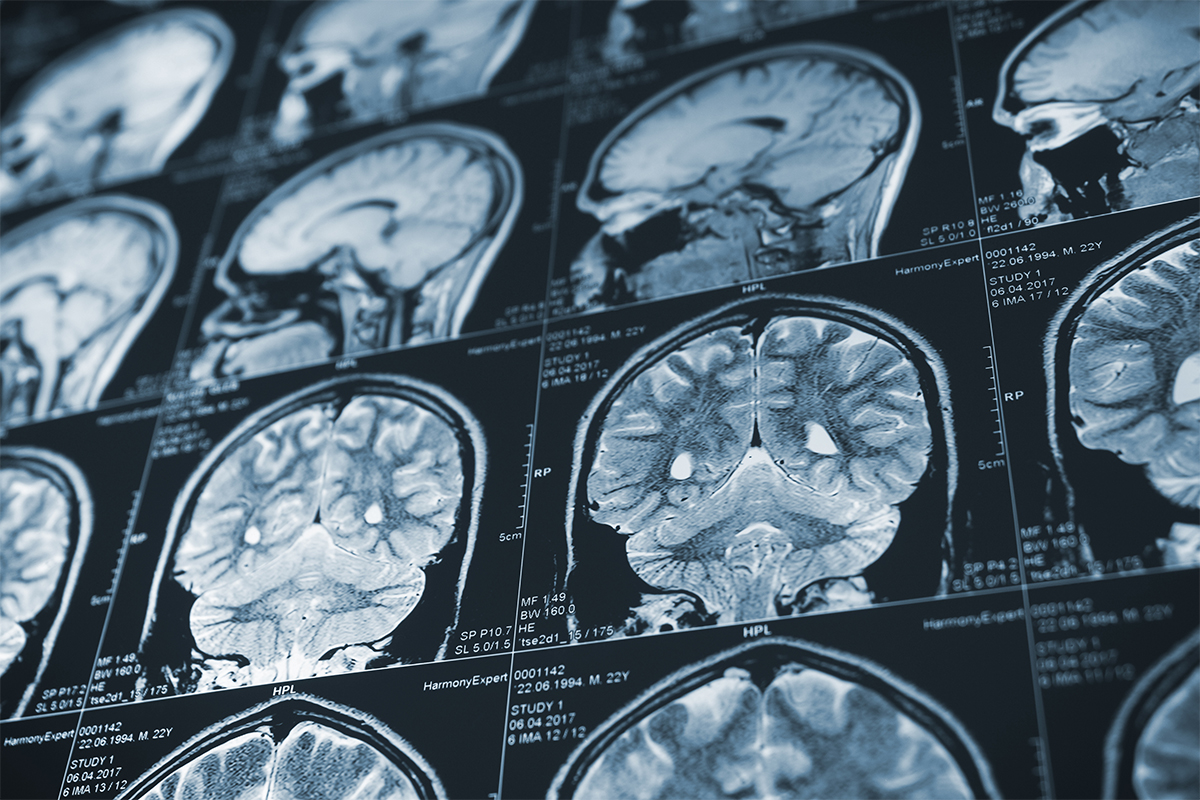
Neurofeedback therapy begins by diagnosing how the brain functions before treatment. In our office, for example, we use a qualitative electroencephalogram or QEEG to track and record brain wave activity in different parts of the brain, assessing the relative balance or imbalance of brain activity within them. This data and the patient’s schedule, will determine how many sessions will be prescribed per week and the length of treatment. For some clients 10 sessions may be sufficient, while others may require up to 40 or 50 sessions to reach their therapy goals. (For more details, please go to the What to Expect page on our site.)
The latest news about Neurofeedback and ADHD.
Over the last twenty years, some traditional medical and educational professionals have regarded the claims made for neurofeedback’s treatment of ADHD with a certain amount of skepticism. Still. millions of patients and their families around the world have found that neurofeedback therapy was more effective than medication or/and talk therapy. Many more have found that using neurofeedback increased the effectiveness of the more established therapies. Whether neurofeedback was the only therapy used or in conjunction with talk therapy or medication, these patients, their families and their healthcare providers found it was a significant aid in dealing with negative ADHD symptoms. Today more and more studies are being done that seem to confirm that neurofeedback indeed makes a positive difference in the lives of individuals diagnosed with ADHD.
Two recent studies demonstrate what we mean.
The first study involved three groups of children between the ages of 6 and 19 years old. The first group was given methylphenidate, the generic form of Ritalin. The second group had neurofeedback therapy for three 40-minute sessions a week for ten weeks. The third group received neurofeedback AND medication. Parents were asked to rate the children’s ADHD symptoms in each group one week before the treatment and again one week afterwards.
The children in all of these groups seemed to improve equally during the study with hyperactivity and impulsivity consistently impacted more than inattentiveness. However, there was one significant difference among the groups: The children receiving neurofeedback, unlike those in the other two groups, also showed greater improvement of inattentive symptoms.
The second study assessed educational performance as well as behavior.
Conducted in Spain, this study had teachers as well as parents record their reactions and observations. The children in the study, 11 boys and 12 girls, were between the ages of 7 and 14. All had been diagnosed as having ADHD. Half of the group were given neurofeedback therapy, consisting of 40 half hour sessions over 20 weeks. The rest of the children were prescribed a generic form of Ritalin and continued to receive medication for six months. The goal was to measure the suppression of hyperactivity and enhanced attention under these two different treatments.
Data was taken before the study began, immediately after neurofeedback therapy stopped, then two months later and yet again, six months after treatment ended. Parents and teachers assessed children’s oppositional behavior and functional impairment (the main symptoms of ADHD). In addition, teachers were asked to track and record the students’ performance in reading, writing. Math and oral expression.
According to the parental assessments, children in both groups exhibited an improvement in inattentive and hyperactive-impulsive symptoms, with inattentiveness showing the most improvement. Furthermore, both groups had maintained these gains when they were seen during the two-month and six-month follow-ups. (Remember, medication was continued for the full six months.)
The data from the teachers, however, revealed something that was unexpected. While the children on medication improved slightly more that the neurofeedback group in core ADHD symptoms, they showed no improvement academically. The group on neurofeedback, on the other hand, showed only slight improvement in inattention and hyperactivity immediately after therapy. However, their ADHD symptoms improved significantly after two months and again, six months later. The real surprise though, was that the academic performance of these students was measurably higher after therapy and these gains continued throughout the six-months leading to the final follow-up.
It’s clear that neurofeedback therapy goes well beyond medication.
The studies described above show that both medication and neurofeedback offer measurable improvements of ADHD symptoms. But neurofeedback does something far more. It changes the function of the brain permanently by developing new pathways in the brain that are maintained for the long term, The result is that children not only exhibit better, more socially acceptable behavior, but an increased ability to learn, focus, make well-reasoned decisions and act on them.
If your child is having issues with ADHD, please contact us. We’d love to have an opportunity to discuss your concerns and answer your questions in person.


 generalization of observed facts…but anyone who is practically acquainted with scientific work is aware that those who refuse to go beyond the facts, rarely get as far.”